download free guide
So you want to know more??
I'm Meredith MacKenzie, the founder of Parallel Wellness and a Registered Clinical Counsellor. Simply put, I love to talk about psychology, emotions and all the things that make us human. My goal for this blog is to share information, resources and a fresh perspective on what brings clients to our practice.
Hey there!!
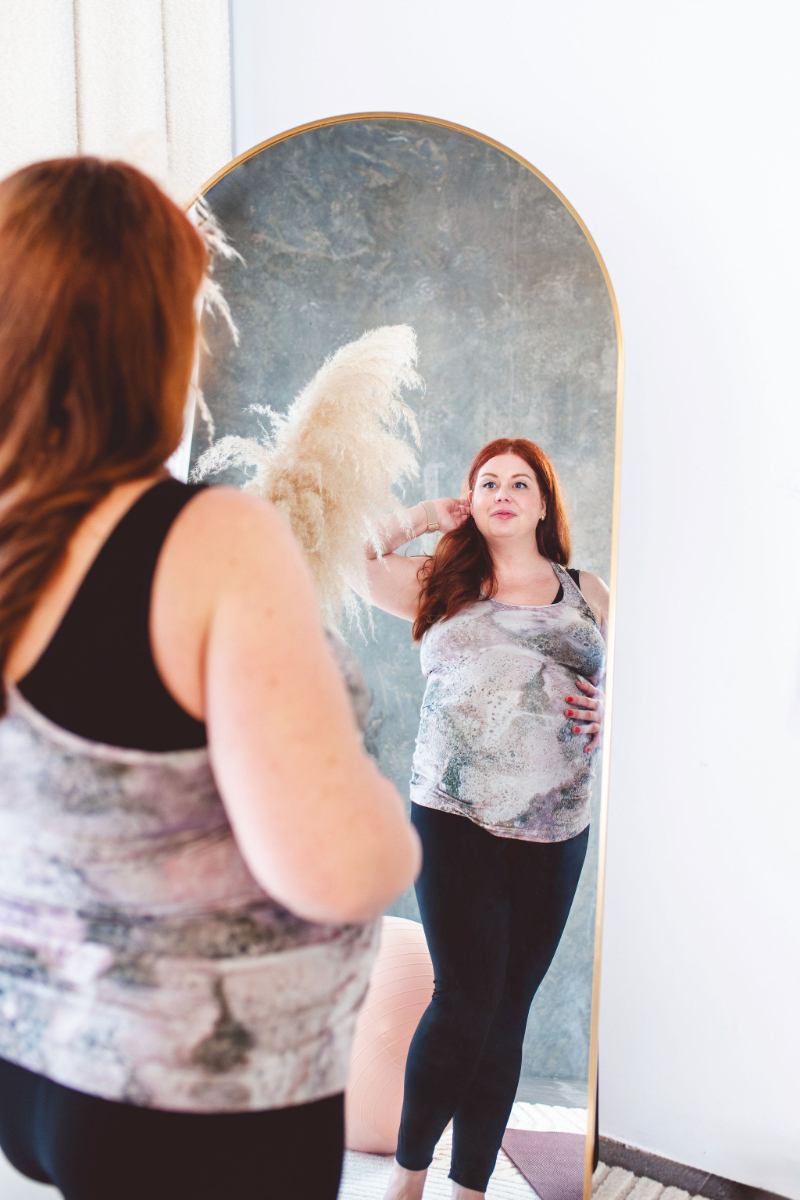
Body image and mental health are deeply connected, even if it does not always feel obvious at first. The way you see your body can shape how you feel, think, and move through your day.
If you have ever looked in the mirror and felt a wave of shame or spent hours thinking about how your body should look, that experience can start to feel heavy over time. Many people carry this quiet weight. On the outside, life may look put together. On the inside, it can feel exhausting.
Hello, we’re Parallel Wellness. We’re a counselling practice based in British Columbia, offering both in-person and virtual support for individuals, couples, and families.
Many of the people we work with look like they’re holding it all together on the outside, but inside, they feel overwhelmed, burned out, or stretched too thin. If that feels familiar, it may be time to have a space where you don’t have to carry it all on your own.
When you feel ready, you can book a session with a registered clinical counsellor. Together, we can help you make a plan to move forward and find more balance, support, and relief in your day-to-day life.
Now, let’s talk about what body image really means, how it affects your mental health, and what you can do to start moving forward.
What Body Image Actually Means
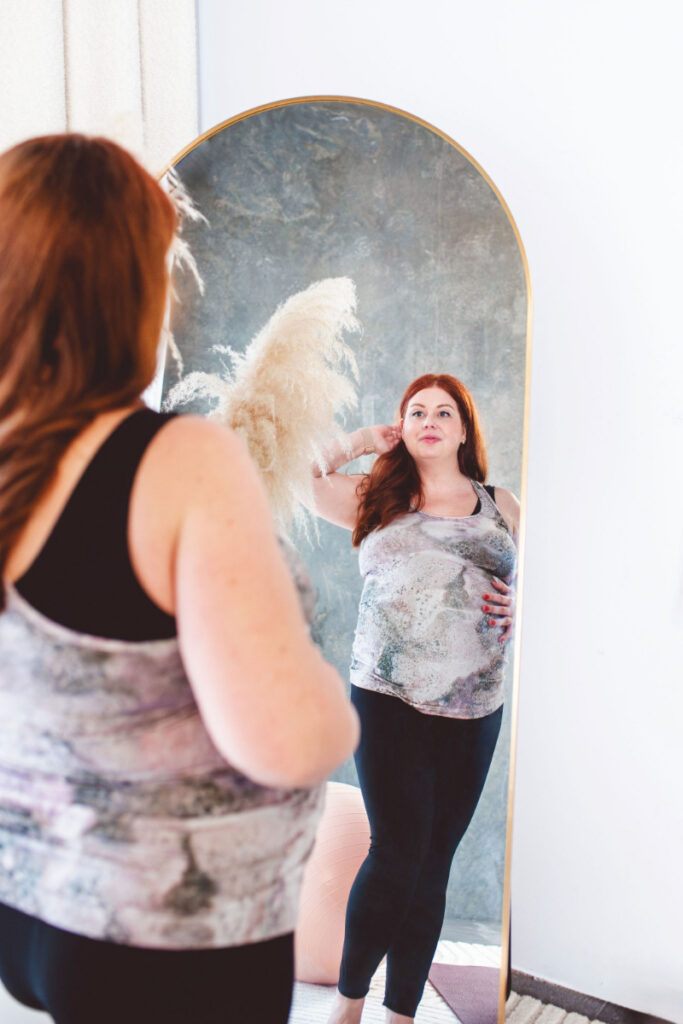
Body image is not just how your body looks. It is how you think, feel, and act toward your body.
It includes your thoughts about your shape or size, the feelings that come up when you notice your body, and the choices you make because of those thoughts and feelings.
For example, body image shows up when you avoid photos, feel anxious getting dressed, or cancel plans because of how you feel in your body.
Body image is shaped over time. It is not something you are born with. It develops through your experiences, your environment, and the messages you hear every day.
And importantly, body image is not fixed. It can change.
If setting boundaries feels hard or uncomfortable, it can help to understand where to start. Learn how to protect your emotional well-being in our blog, Setting Boundaries in Relationships: How to Protect Your Emotional Well-being.
How Body Image and Mental Health Are Connected
Body image and mental health often move side by side. When one shifts, the other usually follows. The way you see your body can shape your mood, your thoughts, and how you show up in your day.
You might notice this connection in different ways:
- More anxiety or a lower mood when body image feels negative
- Less confidence and more self-criticism
- Feeling stuck in patterns that can lead to burnout or disordered eating
- Feeling more at ease, connected, and open when your relationship with your body improves
Over time, these patterns can have a real impact on your mental health. This is not about blaming yourself. It is about understanding that your thoughts about your body carry real emotional weight.
Common Factors That Shape Body Image
Body image is shaped over time by the world around you and the experiences you’ve had. It’s not random, and it’s not something you chose.
Diet culture plays a big role. It teaches that your body needs to be controlled or changed, and it often ties your worth to how you look. Over time, this can lead to strict food rules, guilt, and a constant sense of not being enough.
Social media can add to this pressure. It’s easy to compare your everyday life to what others share online. Even when you know images have been edited, the impact can still linger with you. Comparison can slowly shift how you see yourself.
Family and early experiences matter too. Comments about weight, food, or appearance during childhood can stay with you. Even small remarks can shape how you view your body years later.
Perfectionism can make things heavier. If you tend to hold yourself to high standards, your body can become another place where you feel pressure to get it right. This often leads to harsh self-talk and constant checking.
Stress and burnout also play a role. When you feel overwhelmed, your body can become something you try to control. Focusing on food or appearance may feel more manageable when everything else feels like too much.
Each of these factors can shape body image and mental health in quiet but powerful ways.
If getting to in-person sessions feels like a barrier, support is still within reach. Learn more in our blog, Virtual Therapy in BC: Accessible Mental Health Support from Home.
Signs Your Body Image May Be Affecting Your Mental Health
Sometimes, body image struggles can be hard to spot because they feel normal. But there are signs that your mental health may be taking a hit.
You might notice:
- Thinking about your body for most of the day
- Your mood shifts based on how you feel about your appearance
- Avoiding social events or activities
- Feeling guilt or shame after eating
- Checking mirrors or your body often
- Speaking to yourself in a harsh or critical way
Feeling stuck can also be part of this. The patterns may be clear, but changing them can still feel out of reach. When this feels familiar, it doesn’t mean something is wrong. It often means the mind has learned patterns that can be unlearned with the right support.
Steps Toward a Healthier Relationship With Your Body
Changing your body image takes time. There is no quick fix. But there are small, steady steps that can help you move forward.
Start by noticing your self-talk. Pay attention to how you speak to yourself. Would you say those same words to someone you care about? If not, that’s a sign to soften your tone. You don’t need to force positive thoughts. Just aim for neutral and kind.
Next, question the rules you have learned. Many people carry hidden rules about food and bodies. Ask yourself where these rules came from and whether they are helping you or keeping you stuck.
It can also help to shift your focus from appearance to experience. Your body is not just something to look at. It is something you live in. Try asking how your body feels and what it needs.
Limiting comparison where you can is another step. You don’t need to remove social media completely, but you can be mindful of how it affects you. If certain content leaves you feeling worse, it may be worth adjusting what you see.
Finally, practice body neutrality. You do not have to love your body every day. That can feel like too big a jump. Instead, aim for respect. Your body deserves care because it carries you through your life, not because of how it looks.
These steps are not about perfection. They are about creating space for change.
If you’re looking for care that feels compassionate, informed, and grounded in real connection, you can learn more in our blog, Why Parallel Wellness Stands Out in Eating Disorder Treatment.
Building a Better Relationship Between Body Image and Mental Health
Body image and mental health are closely connected, but they are not fixed. Change doesn’t happen all at once, and it doesn’t need to. Small shifts in how the body is viewed and treated can begin to ease some of that pressure over time. A more steady, respectful relationship with the body is possible, even if it feels far away right now. And when support is part of that process, it can feel a little less heavy to carry.
At Parallel Wellness, this work is always done side by side. There is no judgment. No pressure to have it all figured out. Just a space to feel understood and to start making a plan to move forward.
If you are not ready for counselling yet, that is okay too. A small step can be a good place to begin, like learning what to expect. The free First Counselling Session Prep Guide is available to download here.
You can also follow along on Instagram for support, insights, and a closer look at our approach when you feel ready to connect.