download free guide
So you want to know more??
I'm Meredith MacKenzie, the founder of Parallel Wellness and a Registered Clinical Counsellor. Simply put, I love to talk about psychology, emotions and all the things that make us human. My goal for this blog is to share information, resources and a fresh perspective on what brings clients to our practice.
Hey there!!
Relationships can bring comfort, love, and support. They can also bring worry and self-doubt. If you often fear that someone will leave, need constant reassurance, or feel upset when your partner pulls away, anxious attachment in relationships may be part of the reason.
Attachment patterns shape the way people connect with others. They often begin early in life, but they can continue into adult relationships. The good news is that attachment patterns are not permanent. With self-awareness, support, and practice, people can build healthier and more secure relationships.
Let’s look at what anxious attachment is, where it comes from, and how it can affect connection with others.
Hello, we’re Parallel Wellness, a counselling practice based in British Columbia. We offer in-person and virtual counselling for individuals and couples who want to better understand relationship patterns, improve communication, and build stronger emotional connections. Our approach is compassionate, practical, and grounded in evidence-based care.
If anxious attachment in relationships is affecting your confidence, communication, or sense of security, we’re here to help. Book a session with one of our registered clinical counsellors and take the first step toward building healthier, more secure relationships.
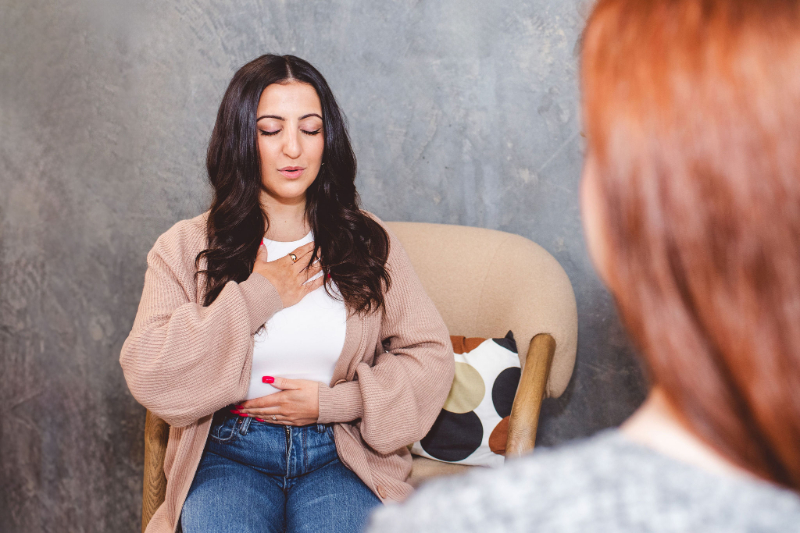
What Is Anxious Attachment?
Anxious attachment is one of several attachment styles described in attachment theory. The theory was first developed by psychiatrist John Bowlby and later expanded by psychologist Mary Ainsworth. Their work showed that early relationships with caregivers can shape how people relate to others throughout life.
People with anxious attachment often want close relationships, but they may also worry that those relationships are not secure. Even when things are going well, they may fear rejection, distance, or being left behind.
This doesn’t mean someone is “too needy” or “too emotional.” Instead, it reflects a learned way of seeking safety and connection. When relationships feel uncertain, the nervous system may react as though there is a real threat, even if a partner has done nothing wrong.
Many people with anxious attachment in relationships know their fears feel bigger than the situation. Even so, those feelings can be hard to control.
Healthy boundaries can strengthen trust, improve communication, and support lasting relationships. Read our blog, Setting Boundaries in Relationships: How to Protect Your Emotional Well-being.
Signs of Anxious Attachment in Relationships
Everyone feels insecure from time to time. However, anxious attachment usually involves ongoing patterns that affect how someone thinks, feels, and responds in close relationships.
Some common signs include:
- Worrying that a partner will lose interest.
- Wanting frequent reassurance that the relationship is okay.
- Feeling upset when texts or calls are not answered right away.
- Reading small changes in mood as signs that something is wrong.
- Struggling to trust that love will last.
- Putting a partner’s needs ahead of their own to avoid conflict.
- Feeling anxious when spending time apart.
These patterns can leave someone feeling emotionally exhausted. They may spend a great deal of time thinking about the relationship instead of feeling secure within it. At the same time, these behaviours often come from a desire to protect the relationship, not to control it.
Where Anxious Attachment Comes From
Attachment develops through repeated experiences with important caregivers during childhood. When caregivers are generally responsive and predictable, children often learn that relationships are safe.
For some children, care may have been less consistent. A caregiver may have been loving at times but unavailable during other moments because of stress, illness, mental health concerns, or other challenges. As a result, a child may learn that connection feels uncertain.
This does not mean parents intended harm or that one experience caused anxious attachment. Attachment develops over time and is influenced by many factors.
Later experiences can also shape attachment patterns. Difficult relationships, emotional neglect, betrayal, bullying, or other stressful life events may strengthen fears of rejection or abandonment.
Because every person’s story is different, there is rarely one single cause.
Better communication can strengthen any relationship. Read our blog, Gottman Method: Enhancing Communication in Your Relationship, to learn practical skills for healthier conversations.
How Anxious Attachment Impacts Communication
Communication is one of the biggest areas affected by anxious attachment in relationships.
When someone fears losing connection, they may react quickly during conflict. They might ask repeated questions, seek reassurance, or continue difficult conversations long after their partner needs a break.
For example, if a partner says they need some space after an argument, someone with anxious attachment may hear, “They don’t love me anymore,” instead of, “They need time to calm down.”
This misunderstanding can lead to a cycle.
One partner asks for reassurance. The other partner feels overwhelmed and pulls back. That distance increases anxiety, leading to even stronger efforts to reconnect.
Over time, both people may feel frustrated, even though they both want the relationship to work.
Healthy communication starts with slowing down enough to notice what is happening beneath the surface. Instead of reacting right away, it can help to ask questions such as:
- What am I feeling right now?
- What evidence supports this fear?
- Is there another explanation?
- What do I need to communicate clearly?
Learning to pause before responding can reduce misunderstandings and create space for calmer conversations.
Can Attachment Styles Change?
Yes. Research suggests that attachment patterns can change over time through healthy relationships, self-awareness, and therapy.
This process is often called earned secure attachment. It means someone develops greater emotional security even if they did not experience consistent security earlier in life. Change usually happens through many small experiences rather than one big moment.
For example, someone may begin to:
- Notice their emotional triggers.
- Challenge automatic thoughts.
- Set healthy boundaries.
- Express needs clearly instead of expecting a partner to guess.
- Learn to soothe themselves during moments of stress.
- Build trust slowly through safe relationships.
Progress is rarely perfect. There will still be difficult days. However, many people find that their relationships become calmer and more balanced as they develop new skills.
Better communication can strengthen any relationship. Read our blog, Gottman Method: Enhancing Communication in Your Relationship, to learn practical skills for healthier conversations.
How Therapy Can Help Build More Secure Relationships
Many people understand their patterns but still struggle to change them. That is where therapy can help.
A registered clinical counsellor provides a safe space to explore relationship experiences without judgment. Together, you can look at how attachment patterns developed and how they continue to affect daily life.
Depending on your needs, therapy may include approaches such as Emotionally Focused Therapy (EFT), Cognitive Behavioural Therapy (CBT), or other evidence-based methods. These approaches can help people understand emotional responses, improve communication, and develop healthier ways of connecting.
If you are in a relationship, couples counselling may also help. Therapy offers both partners an opportunity to understand each other’s attachment needs, reduce conflict, and strengthen emotional connection.
The goal is not to place blame. Instead, it is to understand the patterns that keep both people feeling stuck and to build new ways of responding together.

Creating Healthier Emotional Connections
Building secure relationships takes time, patience, and practice.
If you recognize signs of anxious attachment in relationships, remember that these patterns developed for a reason. They were often ways of seeking safety during difficult experiences. While they may no longer serve you today, they can change.
Small steps often make a meaningful difference. Learning to pause before reacting, speaking honestly about your needs, and showing yourself compassion can help create stronger emotional connections over time.
If these patterns continue to affect your relationships, working with a registered clinical counsellor can provide support and practical tools for lasting change.
At Parallel Wellness, we offer compassionate, science-backed individual and couples counselling in Burnaby and through secure virtual counselling across British Columbia. Our team works alongside you to help you understand relationship patterns, improve communication, and build more secure emotional connections.
If you’re ready to make a plan to move forward, we invite you to book an appointment with one of our registered clinical counsellors. Together, we can help you create healthier, more connected relationships.
You can also follow along on Instagram for support, insights, and a closer look at our approach when you feel ready to connect.