Sometimes the issue isn’t that you don’t know what you’re feeling — it’s that talking about it doesn’t seem to move anything.
Many adults arrive in therapy thoughtful, self-aware, and capable of explaining their experiences clearly. And still, something feels unresolved. When people start asking what art therapy is, it’s often not because they want to make art — it’s because they’re looking for a way to work with what lives beneath insight and language.
Art therapy offers a different entry point: one that doesn’t require everything to be named before it can be explored.
Before we dive in, hello — I’m Alleah Bowring, a Canadian Certified Counsellor and Art Therapist at Parallel Wellness. Many adults I work with are navigating anxiety, perfectionism, grief, relationship challenges, or moments where words just don’t come easily. My approach is paced to the person in front of me, using both talk therapy and art therapy to create space for reflection, expression, and care — without pressure to have everything figured out.
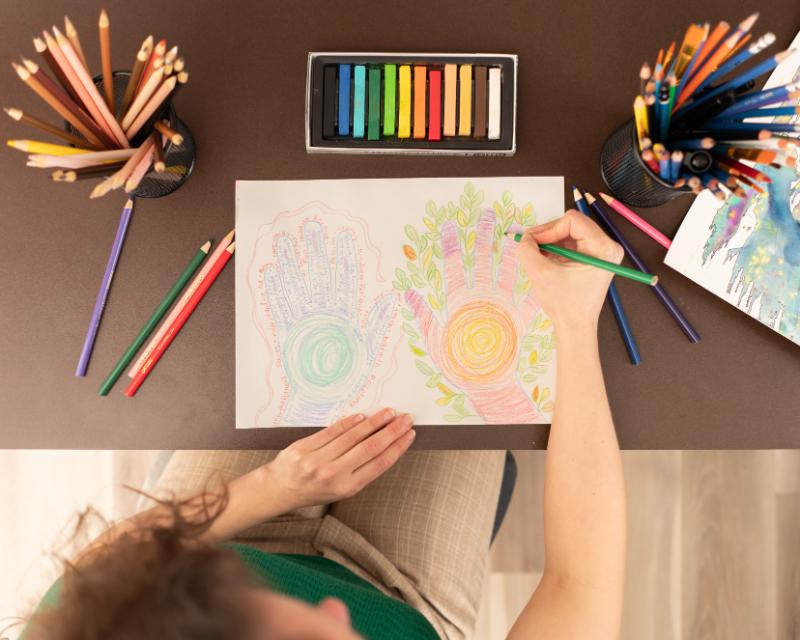
So, what is art therapy?
Art therapy is a form of counselling that combines psychological support with creative expression. Instead of relying only on talking, art therapy uses simple art-making to help people explore emotions, experiences, and patterns in a way that feels more embodied and accessible.
When clients ask us, so what is art therapy? they’re often trying to understand whether it’s “real therapy” or something more like a hobby. Art therapy is an evidence-based mental health practice, grounded in therapeutic training, ethics, and trauma-informed care. The art itself isn’t the treatment — it’s a tool that supports reflection, emotional processing, and insight.
At this point, it might sound kind of interesting. But how does making art actually help in a therapeutic way?
How does art therapy work?
Art therapy works by giving inner experiences a form outside of words.
Many emotions and memories are held in the body or nervous system before they’re easy to talk about. When language feels limited, art can offer another way in — one that doesn’t require clarity, insight, or the “right” words.
Through art-making, experiences that feel overwhelming, confusing, or vague can become more concrete and observable. The artwork creates a bit of distance, making it easier to reflect rather than feel consumed by what’s coming up.
Once you have a sense of how art therapy works, the next question is usually what this would actually look like in a session.
What happens in an art therapy session?
Art therapy sessions are flexible and collaborative, shaped by your comfort level and needs.
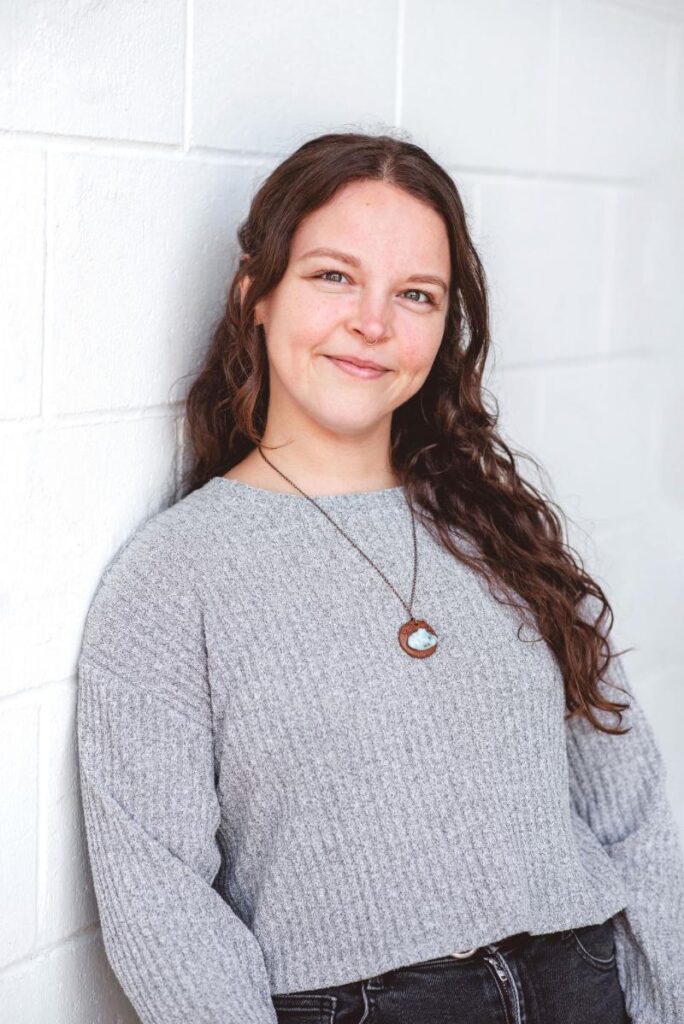
Some sessions begin with conversation and move into art-making. Others start quietly with art and then reflect on what emerged. There’s no single structure you’re expected to follow, and no pressure to create something meaningful on demand.
In sessions, you might use:
- Paper and pen or pencil
- Paints or markers
- Collage materials (cutting, tearing, arranging)
- Clay or other mouldable materials
- Simple symbolic or found objects
If you’re working online, sessions use whatever materials you already have. Even very simple tools can support meaningful work.
Placeholder for link to Legacy Project using art therapy
Do you need to be “good at art” for art therapy?
No — and this concern is incredibly common.
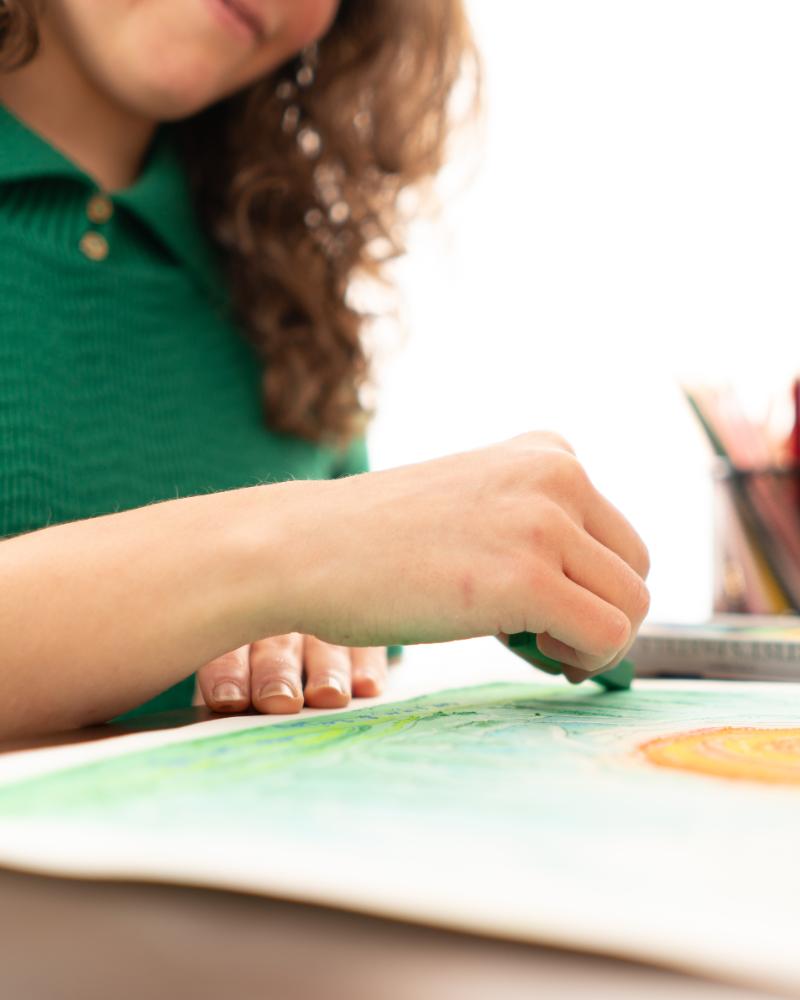
Many adults approach art therapy feeling hesitant or self-conscious, especially if they’ve been told they’re “not creative” or haven’t made art since childhood. In art therapy, skill and appearance are not the focus.
The value is in the process, not the result. Messy, abstract, minimal, or unfinished work is completely welcome. You’re not being evaluated, corrected, or interpreted in a right-or-wrong way.
For many people, realizing they don’t have to perform or impress becomes part of the therapeutic experience itself.
With that pressure eased, it’s natural to start wondering whether art therapy might be a fit for you.
What can adult art therapy help with?
Adult art therapy can support people navigating a wide range of experiences, including:
- Anxiety and chronic stress
- Grief, loss and end of life
- Feeling emotionally stuck or disconnected
- Self-doubt and harsh inner criticism
- Relationship patterns
- Trauma and nervous system overwhelm
- Difficulty naming or expressing emotions
Art therapy doesn’t replace talk therapy — it expands it. For some people, it offers an entry point when words feel unavailable. For others, it deepens work they’ve already done through conversation alone.
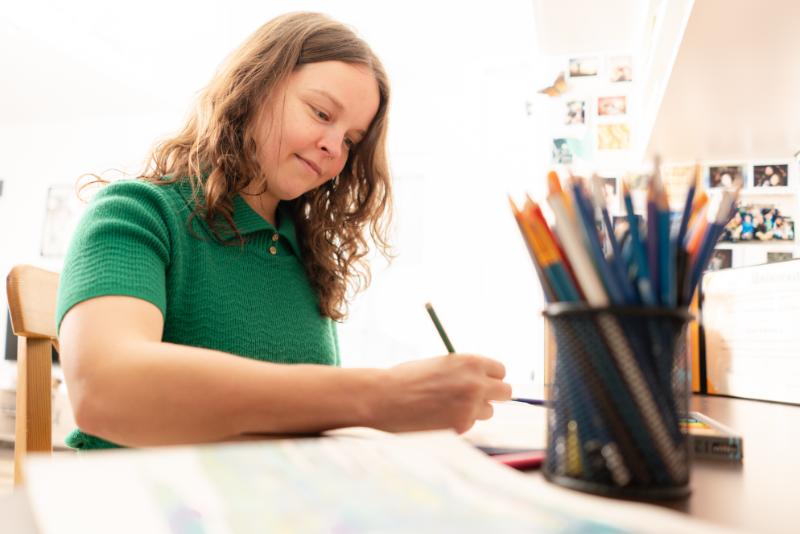
Why choose art therapy instead of talk therapy?
People often come to art therapy for different reasons.
Some have tried talk therapy and found it helpful, but still feel stuck. Others find it hard to access emotions through conversation alone. And some simply feel more comfortable expressing themselves visually or symbolically.
Art therapy can be especially supportive when:
- Talking feels repetitive or intellectually focused
- Emotions feel intense, vague, or overwhelming
- You’re highly sensitive or deeply feeling
- You want a gentler pace that includes the body, not just the mind
Understanding this difference can be clarifying — and it also helps address some common misconceptions.
Common myths about art therapy
Because art therapy is often misunderstood, it’s common to carry assumptions that don’t quite fit.
“I’m not artistic.”
Art therapy is about expression, not talent.
“I’ll be judged on what I make.”
Your artwork isn’t evaluated. It’s a therapeutic tool, not a test.
“It’s just arts and crafts.”
Art therapy is grounded in clinical training and therapeutic intention.
“It’s only for children.”
Many adults find art therapy especially helpful.
“It’s too vulnerable.”
Art therapy is paced collaboratively. You always have choice.
Clarifying what art therapy is often also means being clear about what it isn’t.
What art therapy is not
Art therapy is not:
- About producing “good” or polished art
- A shortcut to healing
- A place where emotions are forced
- A replacement for medical or psychiatric care
It is a relational, trauma-informed process that unfolds at your pace, with support.
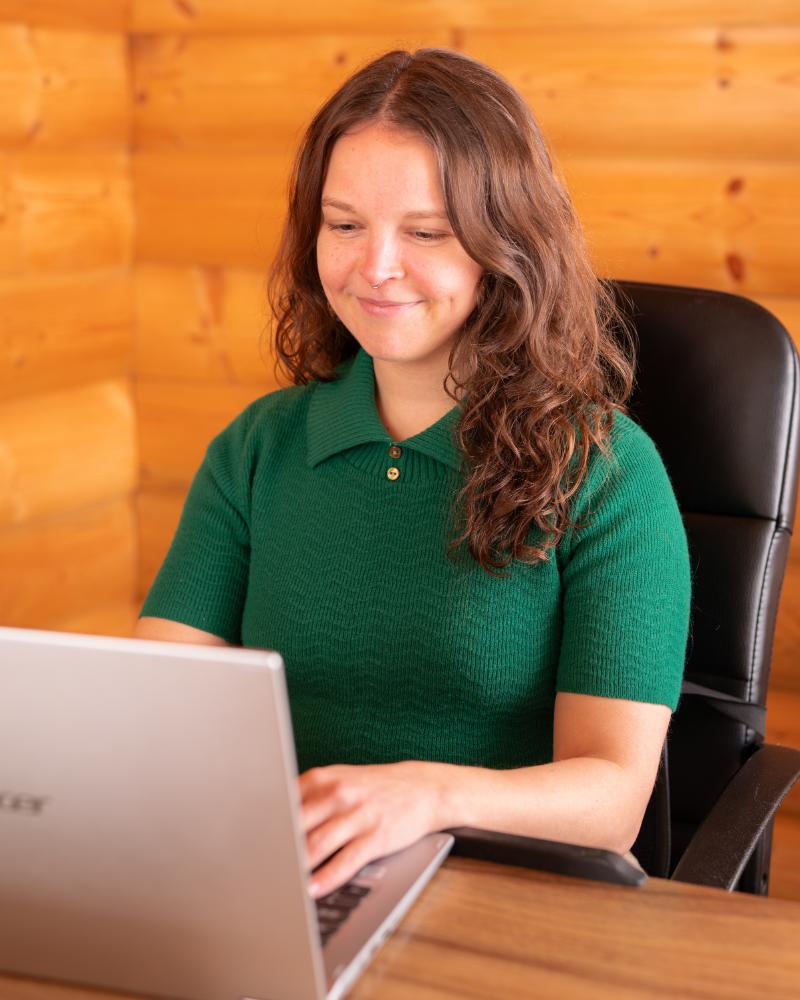
Art therapy isn’t about being creative or producing something meaningful on demand. It’s about having another way to listen — to emotions, memories, and experiences that don’t always show up clearly in words. For many adults, art therapy offers a gentler, more spacious way to explore what’s present, especially when talking feels limiting or overwhelming. There’s no right pace and no right outcome. Just a process of noticing, reflecting, and making room for what matters.
If learning about art therapy has stirred curiosity, or helped something click into place, you don’t have to decide what that means right now. Support can take many forms, and it’s okay to move slowly.
If you’d like to explore art therapy or talk therapy, I offer online counselling for adults across British Columbia. You can book an initial session or a complimentary consultation, when and if that feels like a good next step.
For those navigating the emotional and existential layers of end of life, through the Legacy Project, I offer sessions focused on supporting brave individuals as they approach this chapter — with care, presence, and respect for each person’s story.
Wherever you are in your process, you’re allowed to take your time. Curiosity is enough to begin.
Hey there!!
I'm Meredith MacKenzie, the founder of Parallel Wellness and a Registered Clinical Counsellor. Simply put, I love to talk about psychology, emotions and all the things that make us human. My goal for this blog is to share information, resources and a fresh perspective on what brings clients to our practice.
So you want to know more??