download free guide
So you want to know more??
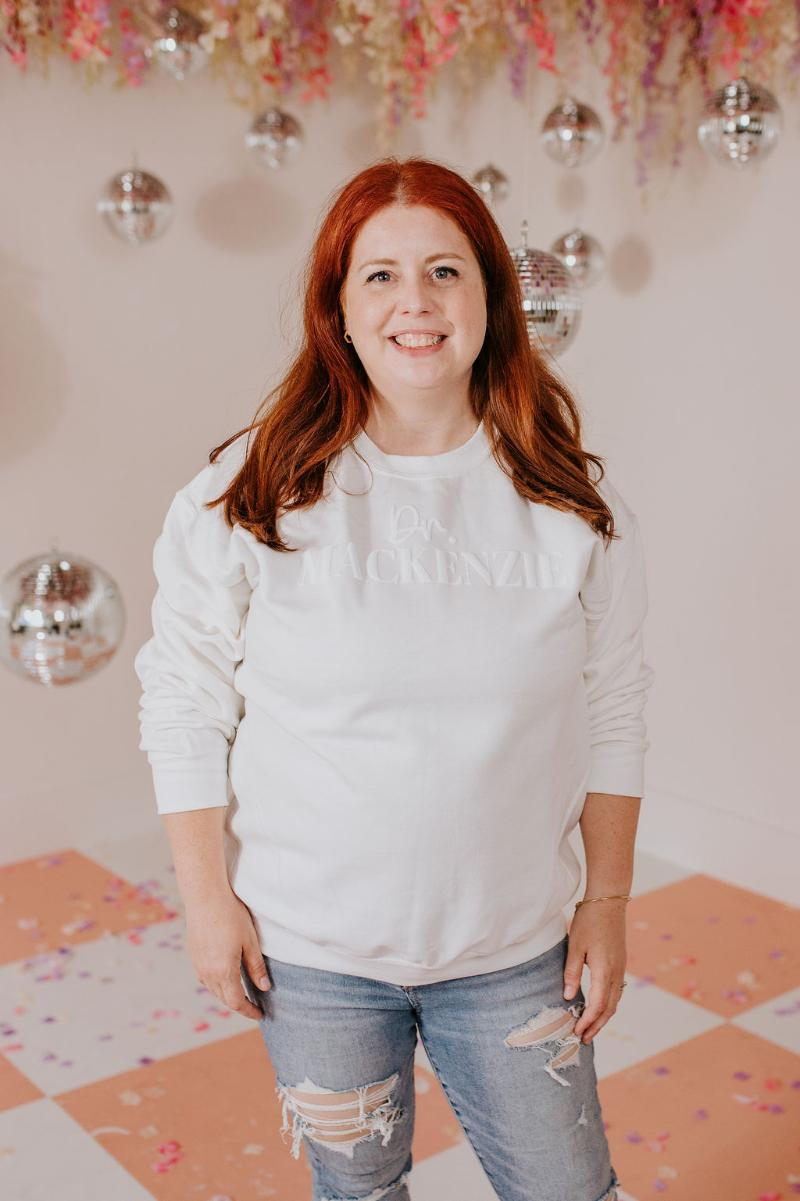
I'm Meredith MacKenzie, the founder of Parallel Wellness and a Registered Clinical Counsellor. Simply put, I love to talk about psychology, emotions and all the things that make us human. My goal for this blog is to share information, resources and a fresh perspective on what brings clients to our practice.
Hey there!!
Eating disorder recovery can feel hard to picture when food and body thoughts take up so much space in your day. You may want things to change while also feeling scared of what recovery could ask of you.
That mix of feelings makes sense.
Healing from an eating disorder isn’t as simple as eating differently or changing a few habits. It can mean learning to trust your body, question old food rules, handle hard feelings, and build a life that isn’t controlled by the eating disorder.
Recovery takes time. Some days may feel easier than others, and there isn’t one right way to heal.
So, what does eating disorder recovery really look like?
At Parallel Wellness, we support people across British Columbia through all stages of eating disorder recovery. Our approach looks beyond symptoms to understand the whole person and what they need to move forward.
You don’t need to know what recovery should look like before asking for help. Our registered clinical counsellors offer compassionate, evidence-based support through virtual counselling across British Columbia and in-person counselling in Burnaby. Book your session here.
What Eating Disorder Recovery Means
Eating disorder recovery can mean different things for different people.
For some people, early recovery may focus on eating more often, getting medical care, or reducing behaviours such as restricting, binge eating, purging, or over-exercise. For others, much of the work may focus on fear, body image, shame, or anxiety around food.
Over time, recovery can become much bigger than what happens at meals.
Recovery might mean going out with friends without spending the whole day worried about food. You may start choosing comfortable clothes instead of focusing on changing your body. Over time, noticing hunger and fullness may also feel less scary.
Recovery can also mean having more mental space for relationships, hobbies, work, school, rest, and joy.
In other words, healing isn’t about becoming “perfect” with food. It’s about building more freedom and trust in your life.
Struggling with how you see or feel about your body? Learn how therapy for body image issues can help you build a healthier, more respectful relationship with your body. Read the blog.
Common Challenges During Recovery
Eating disorder recovery can bring up many feelings at once. You might feel hopeful about change while also missing the sense of safety or control the eating disorder once seemed to provide.
Some common challenges during recovery can include:
- Challenging food rules: Eating foods you’ve avoided or responding to hunger can feel uncomfortable at first.
- Resting without guilt: Taking a break from exercise or allowing your body to rest may bring up fear or anxiety.
- Coping with body changes: Changes in your body can bring up difficult thoughts and feelings.
- Eating around other people: Meals, family gatherings, and social events can feel stressful as you work through old patterns.
- Dealing with diet talk: Hearing people discuss diets, weight, or bodies can make recovery feel harder.
- Seeing yourself differently: Shopping for clothes, looking at photos, or seeing your reflection may bring up body image struggles.
These challenges don’t mean eating disorder recovery isn’t working. They can be part of questioning old patterns and learning new ways to care for yourself.
Recovery Is About More Than Food
Food is an important part of eating disorder recovery, but healing doesn’t stop there.
Eating disorders can become intertwined with many aspects of life. They may connect with anxiety, stress, trauma, perfectionism, low self-worth, or a need to feel in control. That’s why treating the whole person matters.
For example, you may begin to notice how often you push yourself to meet impossible standards. You may see how hard it is to rest without feeling guilty. Or you may start to notice that food rules get louder during times of stress.
Recovery gives you a chance to explore those patterns with compassion instead of shame. You can start asking different questions.
What do I need right now? What feelings am I trying to avoid? Where did I learn these rules about food and bodies? What would my life look like if food took up less space?
These questions can help you understand what sits underneath the eating disorder. From there, you can begin to make a plan to move forward.
Wondering if what you’re going through is something therapy could help with? Learn some common signs it may be time to reach out and how counselling can help you move forward.
Building a Healthier Relationship With Your Body
Body image can be one of the hardest parts of eating disorder recovery. Diet culture often sends the message that some bodies are more acceptable than others or that our bodies always need to change.
Recovery offers another way to think about your body. You don’t have to love every part of it every day. Instead, you can slowly work toward treating your body with care and respect.
Body respect might look like:
- Eating when body image feels hard: Your body still needs food and care, even on difficult days.
- Choosing clothes that feel comfortable: Wearing clothes that fit your body now can help reduce stress around getting dressed.
- Allowing yourself to rest: Rest is part of caring for your body, not something you need to earn.
- Stepping away from diet talk: You can set boundaries around conversations that focus on dieting, weight, or changing bodies.
- Focusing on what matters to you: Your body allows you to connect with people, experience the world, and take part in things that bring meaning to your life.
These choices may feel small, but they can add up over time. They can help you build more respect for your body and reclaim your relationship with food.
The way you feel about your body can affect more than your confidence. Learn how body image and mental health are connected and how support can help you build a healthier relationship with yourself.
The Importance of Professional Support
Eating disorders are serious health conditions that can affect both physical and mental health. That’s why getting the right professional support can be an important part of recovery.
The type of care you need will depend on your situation. Your support team may include a therapist, doctor, dietitian, psychiatrist, or another trained health professional. You don’t need to wait until your struggles feel severe before reaching out for help.
Working with an eating disorder therapist can give you a safe space to talk about thoughts and behaviours that may be hard to share. Therapy can also help you understand eating disorder patterns and learn new ways to manage fear, stress, and difficult feelings.
At Parallel Wellness, counselling is a side-by-side process. We look at the whole person, including your experiences, needs, values, and hopes for the future. Together, we can make a plan to move forward with care that supports your recovery.
Eating disorder care should feel personal, compassionate, and grounded in evidence. Learn how Parallel Wellness takes a whole-person approach to eating disorder treatment and supports each person through recovery.
Understanding the Ups and Downs of Eating Disorder Recovery
Eating disorder recovery takes time, patience, and support. Some parts of healing may feel uncomfortable, but each step can help you build more trust in yourself, your body, and your relationship with food. Recovery doesn’t need to look perfect to be meaningful. With the right support, it’s possible to move toward greater food freedom and a life with more space for the people and experiences that matter to you.
At Parallel Wellness, we know eating disorder recovery can bring fear, uncertainty, and mixed emotions. Counselling can help you understand eating disorder patterns, work through difficult thoughts, and build a more peaceful relationship with food and your body.
When you’re ready to take the next step, our registered clinical counsellors offer eating disorder support in Burnaby and through virtual counselling across British Columbia.
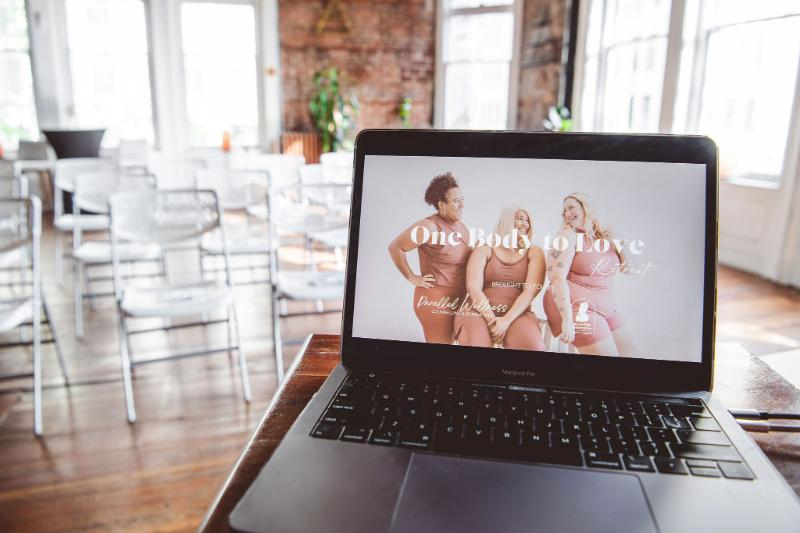
For another way to work on your relationship with food and your body, One Body to Love is our 10-week intuitive eating program designed to help you challenge food rules, build body respect, and find more peace around eating.
You can also follow us on Instagram for mental health tips, resources, and more about our approach to care.